
AI Is Changing How Patients Find You. And Yes, SEO Still Matters More Than Ever.
A patient with 3 years of unexplained fatigue opens her phone and types: "how do I find a good functional medicine doctor for chronic fatigue?"
Ten years ago, she'd have Googled it and scrolled through a page of links. Today she gets a short, tidy answer with a few names and a "here's what to look for" summary, assembled in about four seconds.
For you, it means ranking near the top is still the goal, it's just no longer the whole goal. You want to be one of the 1st results a patient sees, and the practice the AI answer recommends on the short list.
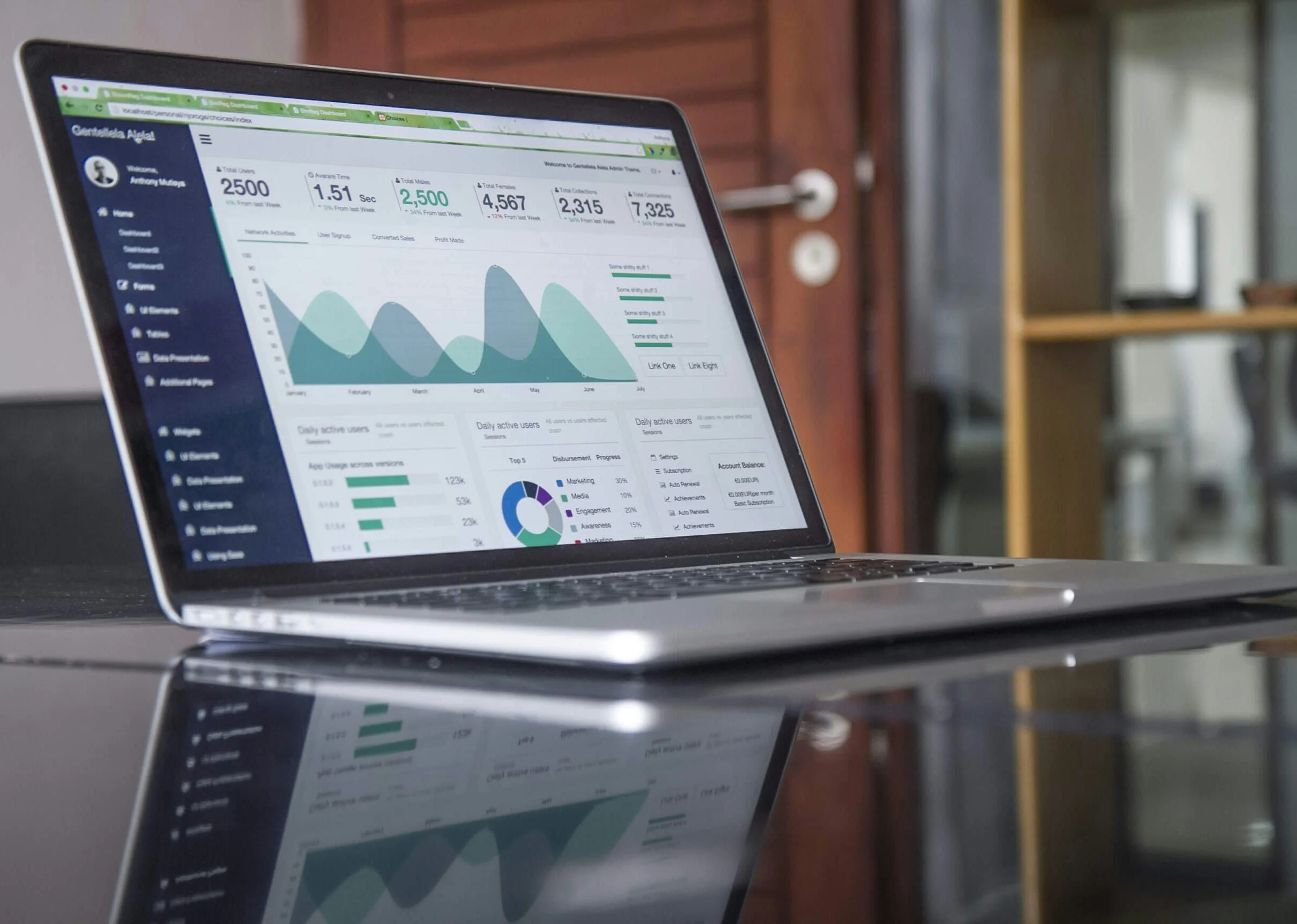
SEO and AI feed one other: the higher you rank on Google, the more likely you are to be the one the AI tools like ChatGPT pulls from.
Good news: you don't have to become a tech expert, chase trends, or learn a single new tool to fix this. Whether you practice functional or integrative medicine, or are a naturopathic doctor, holistic practitioner, or health coach who practice root-cause health, this is for you. You just have to understand what changed and make a few durable moves. Let's walk through it.
Search Didn't Just Change. It Moved.
For years, "getting found online" meant ranking on Google. That does still matter, but the front door has shifted.
People now ask a question and get a synthesized answer, whether that's Google's AI summary at the top of the page, or a tool like ChatGPT or Perplexity handing them a shortlist before they ever click a website.
For your future patients, this is faster and easier. For you, it means the goal is no longer just "rank." It's to show up where people are already searching for a practitioner like you, and to be the one the answer recommends.
That's actually the discovery engine so many practitioners tell me they want. Something that works quietly in the background, instead of the exhausting treadmill of posting on social every day just to stay visible.
Why This Matters More for Functional Medicine Practitioners (than Conventional Doctors)
A conventional primary care doctor keeps a full schedule through insurance networks and referrals, even with an average website. You usually can't. Most functional and integrative practices are cash-pay or out-of-network, which means a patient has to actively look for you, vet you, and decide you're worth paying for out of pocket. Your website and your search presence aren't a nice-to-have. They're your front door, and often your whole patient pipeline.
Your patients also arrive more skeptical, for good reason. Because your approach sits further from what they're used to, they're actively trying to tell a real, individualized practice apart from one that's "mostly marketing" running the "same protocol for everyone." The tools that surface you weigh those same trust signals. Polished but generic doesn't win here. Credible and specific does.
Your visibility rides entirely on you. Even a boutique or concierge clinic usually has staff and a referral network quietly backfilling the schedule. You often don't. So you don't win by out-ranking a big-name clinic. You win by answering the exact things a patient types at 11pm: "root cause of fatigue," "functional medicine for Hashimoto's," "why am I still tired when my labs are normal." Answer those with real expertise and you get found. If you offer telehealth, that's true across state lines, not just your zip code.
So Is SEO Dead? No, Not Even Close…
Here's the part that trips people up. AI didn't replace search. It sits on top of it.
When someone asks ChatGPT or Google's AI for "a functional medicine doctor for gut issues," the tool isn't inventing an answer out of thin air. It's pulling from pages it can already find and trust on the web, then summarizing them. If your site isn't showing up in ordinary search, there's nothing for it to pull. You can't be the answer if you were never in the running.
So the classic work still matters, maybe more than ever. A site that's easy to read, clearly organized, and genuinely credible is the entry ticket. AI just raised the bar on top of it.
Curious if your website is showing up when people search for you on Google and ChatGPT? Get a free report (no strings, no spam, my only aim is to help): Click here to email Kate now
How AI Actually Decides Whether To Recommend You
Here’s the short, non-technical version of where to put your energy, so your practice surfaces:
AI can find you. If search engines can't read your site, an AI can't either. Findable comes first.
The answers to peoples’ questions are easy to lift from your website. Clear questions, clear answers, plain language. Content buried in clever copy gets skipped for a competitor who just said it plainly.
You're obviously credible. Real name, real credentials, cited sources, and details that stay consistent everywhere they appear: your site, your Google Business Profile, directories. These tools cross-check. If your information doesn't match across the web, trust drops.
Other sources back you up. Reviews, mentions, and listings act like votes. One good page about you is fine. The same story confirmed in five (5) places is far more convincing.
For functional medicine, that credibility layer counts double. Because your field touches people's health, these tools are extra cautious about who they'll recommend. That's not a hurdle, it's an opening. The practitioners who genuinely are the real thing can prove it.
What Actually Works Now
None of that is mysterious to act on. Four (4) moves cover most of it:
Answer the questions people actually type. "Root cause of bloating," "natural approach to Hashimoto's," "what does a functional medicine visit cost." Give each its own clear question-and-answer section and a real FAQ, so these tools can quote you cleanly instead of skipping a pretty homepage that says very little.
Put your credentials and process in plain sight. Real bio, real credentials, your actual approach, and honest language about outcomes. This is what separates you from the clinics patients are trying to avoid, and it's exactly what decides whether you're trustworthy enough to recommend.
Claim and tend your Google Business Profile and reviews. Still essential, especially for local and map results, and your reviews feed the trust signals everything else leans on. An unclaimed or neglected profile makes you invisible in the first place nearby patients look.
Publish evergreen content that keeps working after you hit post. Blogs, and the LinkedIn posts and newsletters that carry them, show up over and over for the questions your patients ask, without you living on social media. Write it once, and it keeps introducing you. This is the exact work I do with practitioners: LinkedIn, blogs, and newsletters built to put you where people are searching.
Curious if your website is showing up when people search for you on Google and ChatGPT? Get a free report (no strings, no spam, my only aim is to help): Click here to email Kate now
What to be Careful About
A few things will sabotage good practices. Strong & consistent wins every time.
Chasing the shiny thing. There's no "magic" setting. The practices that win have clear, trustworthy content over clever tricks.
Over-promising. Big claims about "curing" or "fixing" don't just risk trouble. They lower your credibility with patients and with the tools deciding whether to recommend you.
Redesigning carelessly. If your site already brings in patients, a rushed redesign can quietly erase the pages doing the work. Protect what's already ranking before you change anything. This fear is completely valid, and anyone who waves it off isn't paying attention.
Handing everything to a generic agency. If a vendor controls your profile, your content, and your logins, you don't own your own visibility. Always keep the keys.
Why Smart Practitioners Still Stay Invisible
Here are the most common offenders on why people may not even know you exist
You have a beautiful site with nothing ChatGPT, Claude, or Perplexity can pull information from
You’re lacking visible credentials so a real expert like you seems generic (and therefore untrustworthy)
You don’t have (or don’t update) your Google Business Profile
Your whole practice is riding on Instagram that stops working the moment you stop posting
None of these reflects your skill. It's infrastructure, and infrastructure is 100% fixable.
5 Questions Practitioners Keep Asking Me
Is SEO still worth it now that AI answers everything? Yes. Answer tools pull from the same well-structured, credible content that ranks in search. Strong SEO and strong AI visibility come from the same work, done well.
How do I show up in ChatGPT or Google's AI answers? Be findable in ordinary search, answer real questions clearly, prove your credibility, and keep a well-tended Google Business Profile with real reviews. There are no shortcuts. This is a reliable, steady path.
Will a redesign hurt my current rankings? It can, which is a reality. If you’re not ranking, it may not matter, but if you’re more established, the likely path is to update your current site. But if your website is already bringing you patients, that should be protected, not wiped out.
Do I still need a Google Business Profile if I'm mostly telehealth? Yes. It's a major trust and discovery signal even when patients never visit in person.
How is this different for naturopaths? Mostly around licensure and scope by state, which shapes your language, your claims, and the terms you can be found for.
How long until this brings in patients? It builds over several months and compounds for months and year (unlike social posts that disappear in a day).
Good News! You Don't Have to Touch Any of This
Take it to the pros to help make your site ready to appear on SEO and ChatGPT.
You became a practitioner to help people feel better, not to spend your evenings wrestling with your website and wondering if you show up anywhere that matters. It doesn’t happen overnight, but it can happen within a few months.
If you want to be found where your future patients are already looking, and finally look as credible online as you are in person, let's talk.
About the Author
Kate Newnham
Functional Medicine Website Strategist & Designer
Kate Newnham is a website strategist/designer and founder of Up Designs, LLC, specializing exclusively in functional medicine, integrative health, and longevity practices. With 25+ years of marketing experience (including senior roles and work with AOL, TIME, and the National Medical Association), she brings Fortune 500-level strategy to coaches & practitioners who deserve a website that builds trust and converts visitors into ideal patients.
